Networking Cables
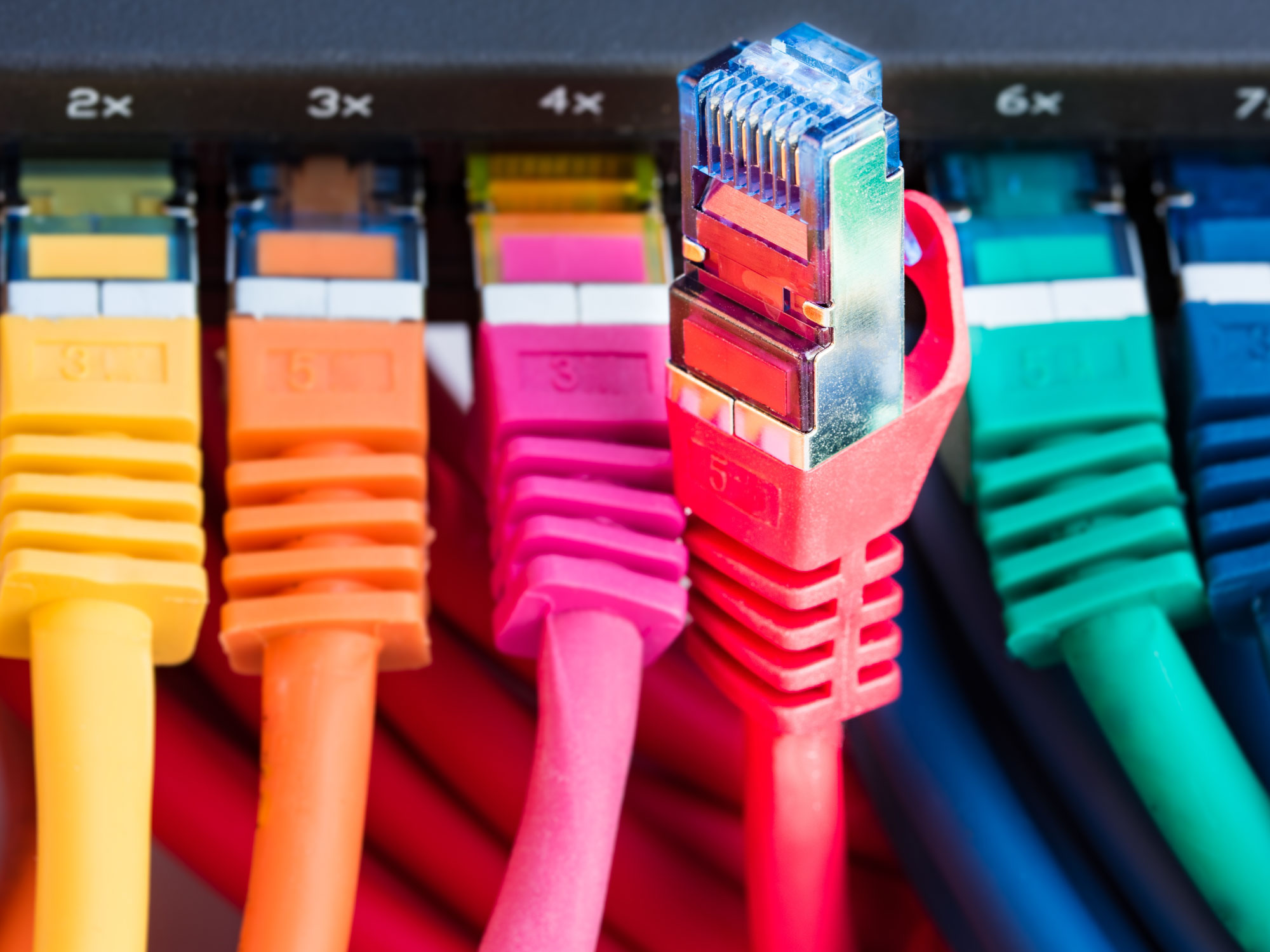
Connect with Confidence: High-Performance Network Cables In a world that never stops, your connection shouldn’t either. Whether you are powering a global enterprise or a home office, the right cabling is the backbone of you

Networking Connector
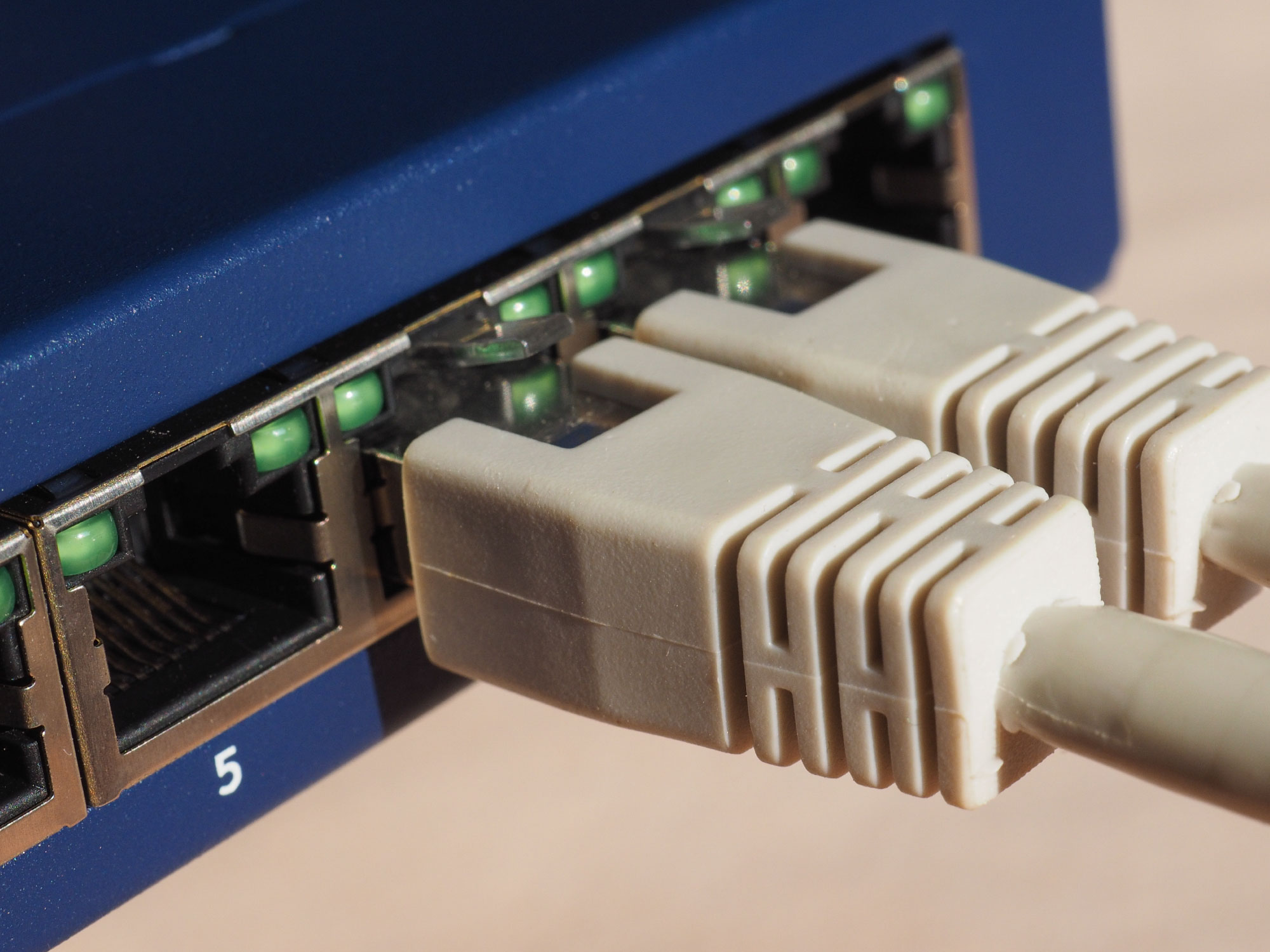
Network connectors are the physical interfaces used to terminate cables and connect devices within a network.They ensure a stable and high-speed data flow between computers, switches, and routers.

Networking Cabinets
A Networking Cabinet (also known as a server rack or data cabinet) is a structured enclosure designed to house and organize networking equipment. It plays a vital role in protecting hardware and ensuring efficient system performance.
Read more

Network Keystone Jacks
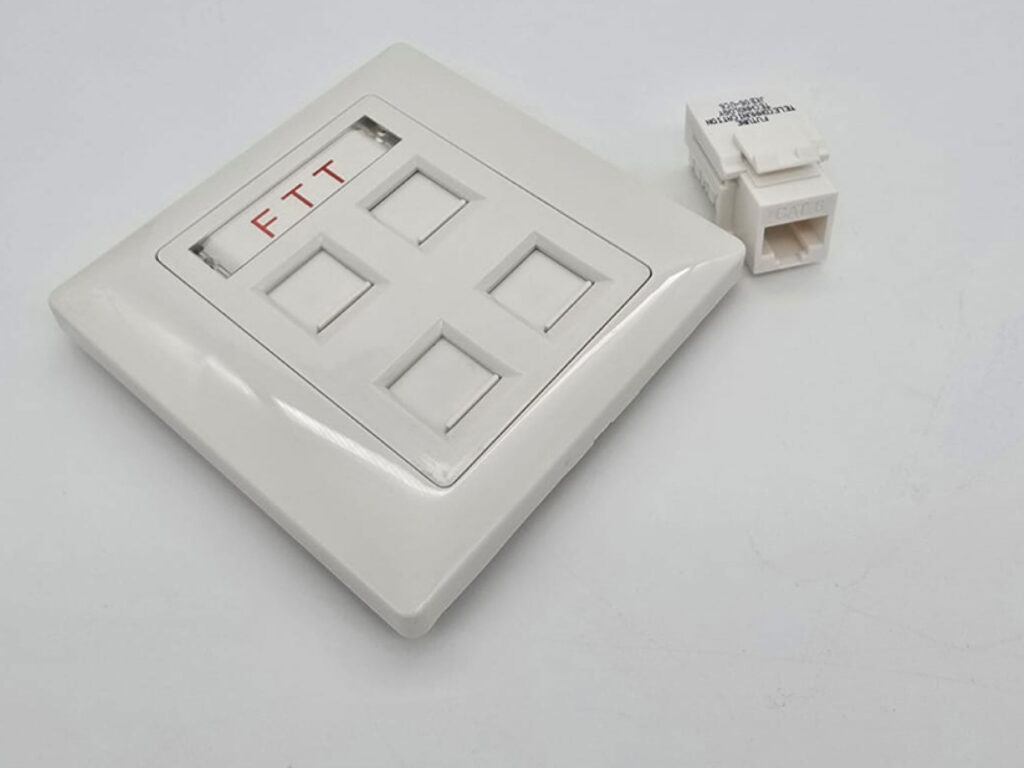
Network Keystone Jacks: The Backbone of Clean Connectivity A Keystone Jack is a standardized snap-in package for mounting a variety of low-voltage electrical jacks or optical connectors into a wall plate, faceplate, or patch panel. In networking, it is the female connector used for Ethernet data
Read more

Networking Transceivers & Media
FTT’s Optical Transceivers are the core components for high-speed data transmission in modern fiber optic networks. Our modules are engineered to provide seamless connectivity between switches, routers, and servers, converting electrical signals into optical signals with zero-loss efficiency.
Read more

Network Patch Cords
A Patch Cord is a short, flexible electrical or optical cable used to connect one electronic or optical device to another for signal routing. In networking, they typically link switches, routers, or patch panels to end-user devices ……………. ……………………..
Read more

Networking Patch Panels
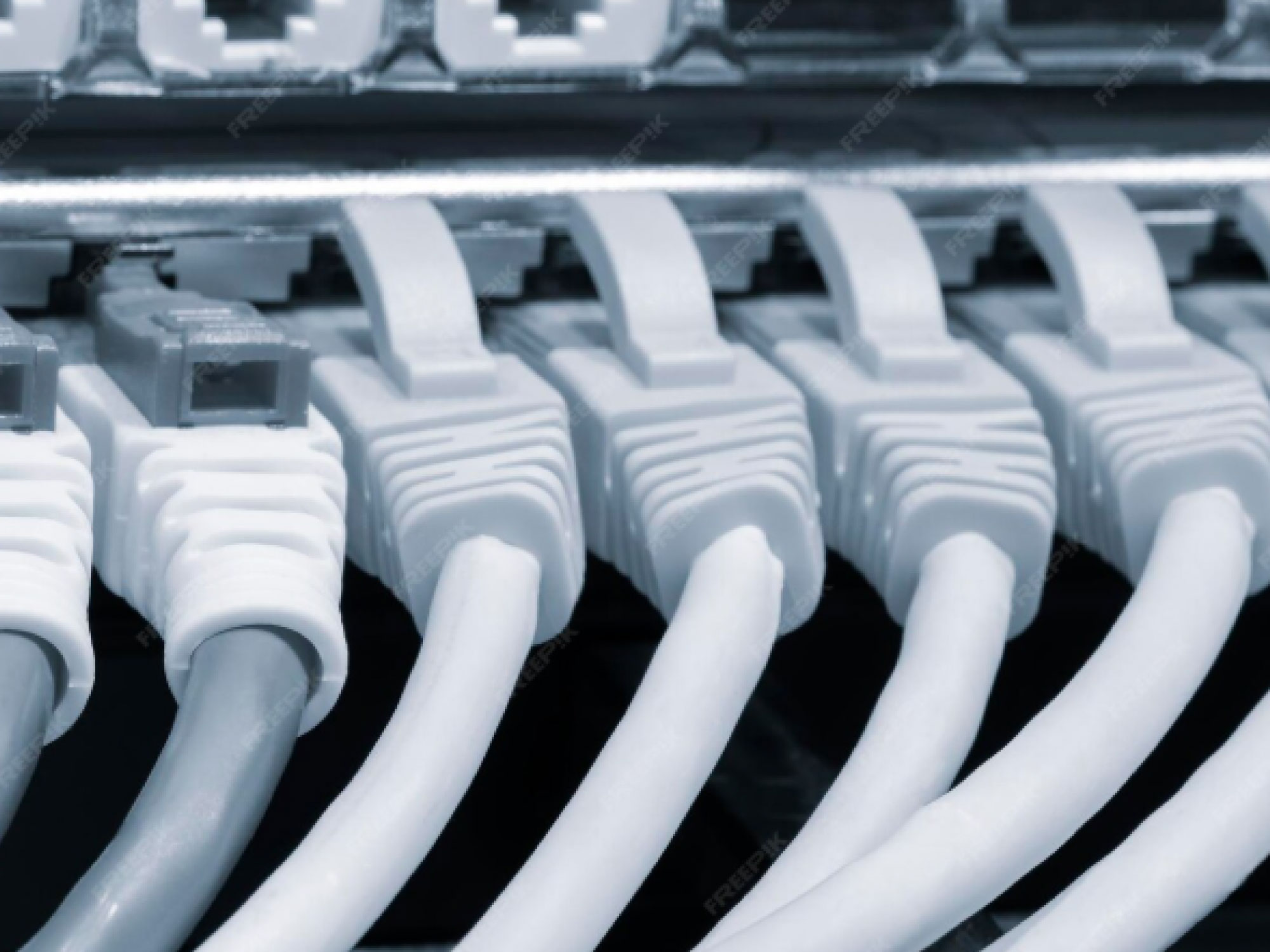
Patch panels are crucial in structured cabling systems, offering centralized locations for terminating, managing, and organizing network cables. Typically rack-mounted, patch panels allow technicians to connect incoming and outgoing lines using short patch cords. This setup simplifies network maintenance, troubleshooting, and scalability. Patch panels are available in different port densities (24P, 48P), configurations (UTP, SFTP), and categories (Cat6, Cat6a, Cat7), supporting a wide range of bandwidth and application requirements.